Contents
Pretzels sit in a strange spot on the snack shelf. They look simple and harmless, a safer choice than chips, yet parents still feel unsure. Are pretzels a smart everyday snack for kids, or a salty trap dressed up as “low-fat”?
To answer that, it helps to look at what pretzels bring to the table, what they lack, and how often children actually eat them. With a few small tweaks, pretzels can fit into a balanced snack routine, but they are far from a perfect food.
What Are Pretzels Made Of?
Most classic pretzels use a short list of ingredients: refined wheat flour, water, yeast, salt, and sometimes oil or sugar. They are then boiled or dipped in an alkaline solution and baked until crisp. The result is light, crunchy, and easy to overeat.
For kids, the key point is that pretzels are mainly refined carbs with added salt. The exact nutrition depends on the brand and shape, but the pattern is similar across most plain varieties.
Nutrition Snapshot: Pretzels vs Everyday Needs
The table below gives a rough idea of what a child gets from a small handful of pretzels, compared with what that child actually needs in a full day. Values are approximate and based on a 30 g serving and a typical 6–9-year-old.
| Nutrient | 30 g Pretzels | Approx. Daily Need | Comment |
|---|---|---|---|
| Calories | 110–120 kcal | 1,600–1,900 kcal | Small share of daily energy |
| Carbohydrates | 23–25 g | ≈ 45–60% of daily calories | Mostly refined starch |
| Protein | 2–3 g | ≈ 19–34 g | Low protein source |
| Fat | 1 g or less | ≈ 25–35% of daily calories | Very low in fat |
| Fiber | < 1 g | ≈ 25 g | Hardly any fiber |
| Sodium | 250–350 mg | 1,200–1,800 mg max | Can eat up a big slice of the daily limit |
| Vitamins & Minerals | Small amounts | Higher daily needs | Not a rich source of micronutrients |
Pretzels give quick energy and some crunch, but they do not bring fiber, healthy fats, or many vitamins. The standout nutrient is sodium, which can climb fast if a child eats multiple handfuls or combines pretzels with other salty foods in the same day.
Why Parents Often Think Pretzels Are “Healthy”
Pretzels often wear a health halo. They look lighter than chips and lack the orange dust of cheese snacks or the oil shine of fries. Marketing phrases like “baked, not fried” and “low-fat” add to this clean image.
In a busy afternoon, a parent might grab a bag at the store, thinking, “At least it is better than chips.” And in some ways, that is true. Yet the low-fat label distracts from the high salt and low nutrient content, so pretzels end up in lunch boxes several times a week without much thought.
The Good Side: Benefits of Pretzels for Kids
Plain pretzels are not all bad. Used in the right way, they can solve a few snack problems and help parents manage tricky moments, like a long car ride or the gap between school and dinner.
1. Lower in Fat Than Many Salty Snacks
Most classic pretzels have very little fat and almost no saturated fat. For children who eat a lot of fried snacks, swapping some of those portions with pretzels can cut down unnecessary fats. A parent who chooses pretzels instead of fried chips three days a week already makes a clear improvement.
2. Convenient and Kid-Friendly
Pretzels are dry, packable, and do not crush as easily as crackers. They do not melt or smear on hands and faces like chocolate. This makes them practical for school bags, playground trips, or sports days. Kids also enjoy the fun shapes, especially mini twists and sticks, which feel easy to share.
3. Predictable for Picky Eaters
Many picky eaters accept plain pretzels because they taste familiar and mild. For a child who refuses most foods during a stressful event or travel day, a small serving of pretzels can keep blood sugar steady until a better meal appears. That does not turn pretzels into a health food, but it does make them useful in real life.
The Hidden Downsides: Why Pretzels Can Be a Sneaky Bad Choice
Under the simple surface, pretzels have several weaknesses as an everyday snack. The main issues are high sodium, low fiber, and poor staying power, which all matter for growing children.
1. High Salt for Small Bodies
Sodium is the biggest concern. A couple of generous handfuls of pretzels can reach half or more of a young child’s daily salt limit. Over time, a salty diet can set taste buds to expect intense salt, so kids may reject fresh foods like plain vegetables or unsalted nuts.
There is also a long-term angle. High sodium intake in childhood links to higher blood pressure and a higher risk of heart disease later in life. Children do not need to avoid salt completely, but snacks that add a large dose in one go do not help.
2. Almost No Fiber or Protein
Pretzels are mostly refined starch. That raises blood sugar quickly and then drops it again, which can leave a child hungry and tired soon after a snack. With almost no fiber and only a little protein, pretzels do not keep kids full for long.
You can see this on a normal weekday. A child eats a bag of pretzels at 3:30 p.m., feels great at 3:45, then asks for more food at 4:10 and drifts toward sweets. A snack with fiber and protein would often carry that child neatly to dinner.
3. Easy to Overeat
The crunch, salt, and light texture make it easy to keep reaching into the bag without thinking. Pretzels do not feel heavy, so children often eat more than one serving. Even if each serving is fairly small, three or four of them back-to-back increase both sodium and calories with no extra nutrients to justify it.
4. Gluten and Additives for Sensitive Kids
Most pretzels use wheat, so they are off-limits for children with celiac disease or a diagnosed gluten intolerance. Flavored pretzels can also contain flavor enhancers, artificial colors, or added sugar. Kids with sensitive digestion or behavioral issues linked to certain additives may react to those extra ingredients.
Better Ways to Use Pretzels in a Child’s Diet
Pretzels work best as an occasional side player, not the lead role in a child’s snack life. A few simple rules help keep them in a reasonable zone.
Smart Rules for Serving Pretzels
These simple steps help parents keep pretzels in check without turning snacks into a constant battle.
- Limit frequency: Aim for pretzels once or twice a week, not every day.
- Watch the portion: Serve pretzels in a small bowl, not from the bag.
- Add a partner food: Pair pretzels with a protein or fiber source.
- Choose lighter options: Look for lower-sodium or whole-grain versions.
- Balance the day: Skip other salty snacks on days pretzels show up.
These habits turn pretzels from a hidden problem into a manageable treat that fits inside a wider pattern of balanced eating, without forcing strict bans that usually backfire with older kids.
Best Foods to Pair with Pretzels
Pretzels improve a lot when they share the plate with more nourishing foods. Pairing them with protein, good fats, or fiber slows digestion and keeps kids steady for longer.
- Plain Greek yogurt or a small tub of unsweetened yogurt
- Hummus or another bean-based dip
- Nut butter or seed butter (spread thinly, especially for younger kids)
- Cheese cubes or cheese sticks
- Sliced apple, pear, cucumber, or carrot sticks
Picture an afternoon snack plate: a small pile of pretzel sticks, a little bowl of hummus, and some carrot coins or apple slices. The pretzels add crunch and familiarity, while the dip and fruit or veg bring real nutrients and more staying power.
Healthier Pretzel Options to Look For
Not all pretzels are equal. Some brands and types offer slightly better nutrition, especially if you read the label with a cold eye and compare a few bags rather than grabbing the first one you see.
What to Check on the Label
A quick label check can help you choose a less harmful version without needing a nutrition degree.
- Sodium per serving: Select brands under about 200 mg sodium per 30 g where possible.
- Whole grain first: Look for “whole wheat flour” or “whole grain” as the first ingredient.
- Short ingredient list: Fewer additives and flavor enhancers are better.
- Sugar content: Avoid sweet-coated pretzels and products with more than a few grams of added sugar.
- Serving size honesty: Compare serving sizes, as some brands shrink them to look better on the label.
Whole-grain, lower-sodium pretzels still count as a treat, yet they are kinder on a child’s heart and digestion and often more filling due to slightly higher fiber.
Safer Everyday Snack Ideas That Kids Still Enjoy
Pretzels can stay in the rotation, but they should not crowd out more nourishing choices. Many children happily accept simple, repeatable snacks that tick more nutrition boxes once they get used to them.
Some easy examples include fruit with nuts or seeds (for kids over choking age), whole-grain crackers with cheese, yogurt with oats and berries, or vegetable sticks with hummus. These options bring color, texture, and nutrients, while still feeling like a treat to a hungry child after school.
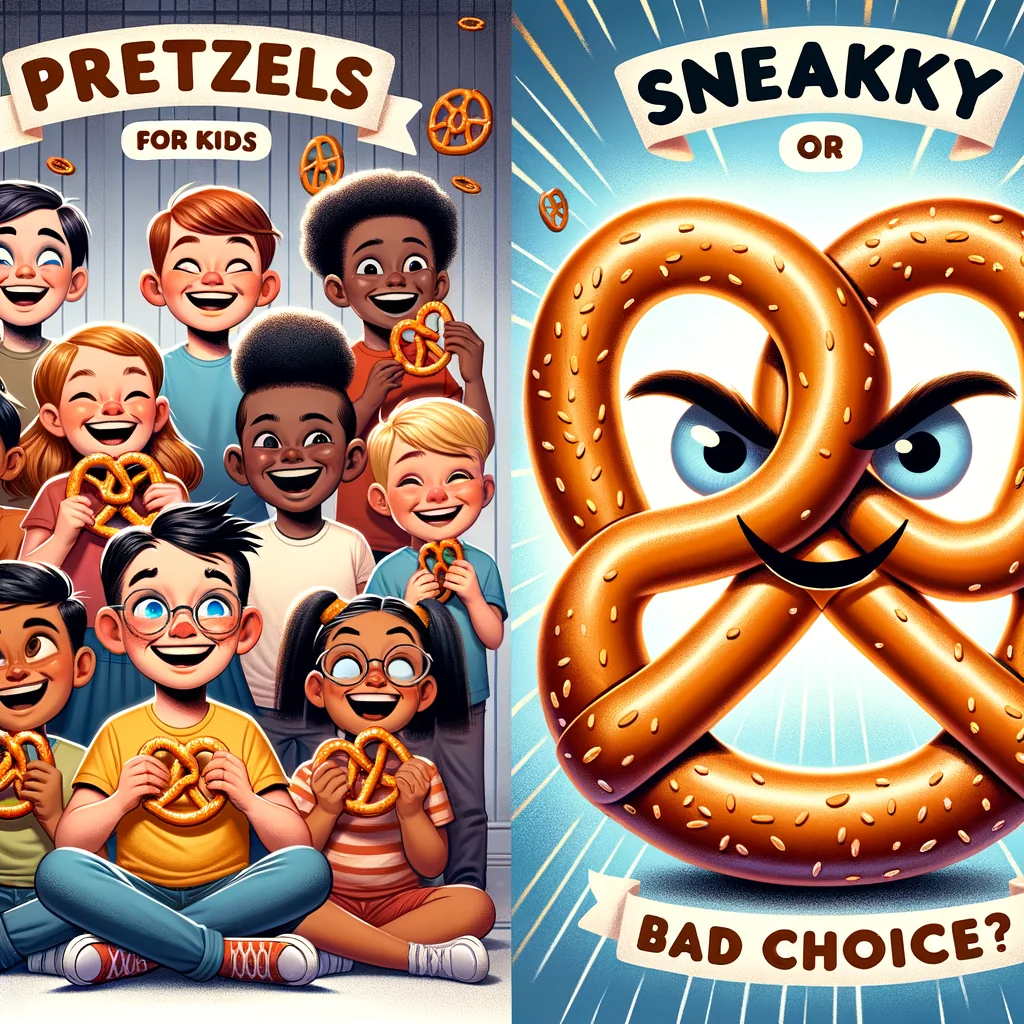
Best Snack or Sneaky Bad Choice?
Pretzels sit in the middle ground. They are usually better than greasy chips and heavily flavored cheese snacks, yet they fall short as a regular, stand-alone snack for kids. Their high salt and low nutrition make them a poor anchor for daily snack habits.
Used once in a while, in small portions, and paired with fiber- or protein-rich foods, pretzels can fit into a balanced diet without much drama. The key is to stop treating them as a default “healthy” snack and see them for what they are: a simple, salty, crunchy treat that needs backup from better foods on the plate.