Pretzel Serving Size Guide: Stunning Tips for Best Portions
Contents
Pretzels look harmless, but servings add up fast. A few extra twists or sticks can turn a light snack into a calorie bomb without much effort. A clear serving size guide helps you enjoy pretzels with fewer surprises and better control.
This guide explains standard serving sizes, how different pretzel types compare, and smart ways to portion them for snacks, parties, and kids.
What Is a Standard Serving Size of Pretzels?
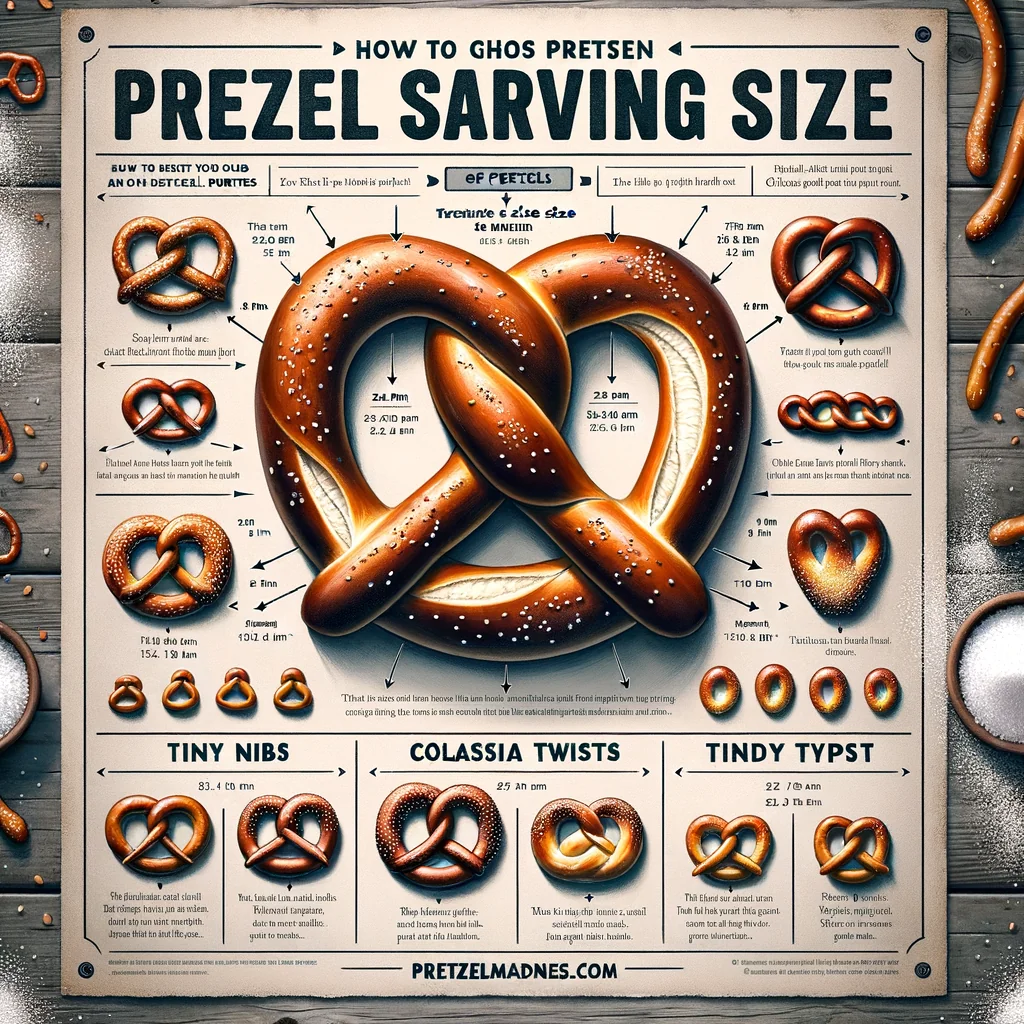
Most nutrition labels use grams, but people snack with their hands, not a scale. A standard serving size of pretzels for adults usually sits around 25–30 grams, which is roughly a small handful.
On many packages, that works out to:
- Mini twists: about 15–20 pieces
- Pretzel sticks: about 20–30 pieces
- Pretzel nuggets: about 10–15 pieces
- Large hard pretzels: 2–3 pieces
Always check the exact grams on the label. Brands squeeze in different salt levels, thickness, and ingredients, so two similar bags can give very different numbers for the same “handful.”
Calories and Nutrition in a Pretzel Serving
Pretzels feel light, but they are dense in refined carbs and sodium. A standard serving usually ranges from 100 to 130 calories, with almost all energy from carbohydrates.
| Nutrient | Amount (approx.) |
|---|---|
| Calories | 110–130 kcal |
| Carbohydrates | 22–26 g |
| Protein | 2–3 g |
| Fat | 0.5–2 g |
| Fiber | 1–2 g |
| Sodium | 300–450 mg |
One 30 g serving can carry close to one fifth of a typical daily sodium limit recommendation. Two or three “mindless” refills from a shared bowl can easily cross half the daily salt budget before dinner.
Serving Size by Pretzel Type
Different shapes have different density and surface area. That affects how many pieces make one serving and how fast you tend to eat them.
Mini Twists and Traditional Small Pretzels
Mini twists are the classic snack bowl option. They are light and easy to grab by the handful, which makes portions creep up if you do not pay attention.
Typical serving suggestions for small twists:
- Serving size: 25–30 g
- Pieces per serving: 15–20 mini twists
- Use case: lunchbox side, movie snack, party bowls
For an afternoon snack, a good target is one serving of mini twists paired with a protein source, such as a small portion of cheese or hummus, to slow down hunger rebound.
Pretzel Sticks
Pretzel sticks feel lighter because each piece looks tiny, so many people eat more of them without noticing. A serving can reach 30 sticks before you realize how many you had.
Typical serving suggestions for sticks:
- Check the label for grams per serving.
- Count how many sticks equal that weight once.
- Use that count as your go-to visual cue for future snacks.
For example, if your bag shows 28 g per serving and that equals 24 sticks, you know two small handfuls already cover a full serving. This small habit pays off fast if you snack on sticks often.
Pretzel Nuggets and Filled Pretzels
Pretzel nuggets and filled pretzels, such as peanut butter or cheese-filled pieces, are heavier and more calorie-dense than plain twists. They bring more fat and sometimes sugar along with the extra crunch.
Typical serving suggestions for nuggets:
- Serving size: 25–30 g
- Pieces per serving: 10–15 nuggets
- Notes: filled versions can reach 150–170 calories per serving
Treat filled pretzels more like small candies than “plain crackers.” A small serving gives strong flavor, so use a bowl or small dish instead of eating straight from the bag.
Large Hard Pretzels
Large hard pretzels feel substantial, but they are easy to eat quickly, especially in front of a screen or with a drink.
Typical serving suggestions for large hard pretzels:
- Serving size: 25–30 g
- Pieces per serving: 2–3 large pretzels
- Calories: roughly 50–60 calories per piece on average
Breaking large pretzels into halves or quarters before serving slows down the pace and makes portions look larger, which can help with satisfaction.
Soft Pretzels
Soft pretzels do not match the numbers of hard pretzels. They are closer to bread servings and are much larger in weight per piece.
Typical serving suggestions for soft pretzels:
- Portion size: ½ standard bakery soft pretzel for a snack
- Whole pretzel: often 200–400 calories without dips
- With cheese or sugary dips: can reach 500+ calories
For a lighter option, split one soft pretzel with someone and pair it with water instead of a sweet drink. The experience feels similar, but the calorie load drops sharply.
How Many Pretzels per Person? Smart Portion Planning
Serving sizes shift with context. A solo afternoon snack looks different from a game-day spread or a kids’ birthday table. Planning portions before you open the bag reduces guesswork later.
Everyday Snack Portions
For an adult snack that fits a balanced diet, aim for one standard serving of pretzels, then add protein or fiber to avoid a quick blood sugar spike and crash.
- Adults: 25–30 g pretzels (1 serving) plus a protein source
- Teens: 25–35 g pretzels depending on activity level
- Children: 10–20 g pretzels, adjusted for age and appetite
Picture an office worker at 4 p.m. If they pour a small bowl of pretzels, check the weight once, and pair it with a yogurt or a handful of nuts, they stay satisfied longer than with pretzels alone.
Party and Sharing Bowls
Party tables invite mindless snacking. Large bowls look generous, but they push guests far beyond a normal serving without any clear signal to stop.
As a planning guide, estimate:
- Light snack event (short meet-up): 15–20 g pretzels per person
- Longer social event (movies, games): 30–40 g per person
- Kids’ party: 10–15 g per child plus fruit or other options
Instead of one huge bowl, use several medium bowls placed in different spots. Refill them as needed instead of dumping the whole bag at once. Guests still enjoy plenty, and less food ends up stale or wasted.
Pretzels as a Side vs Main Snack
Pretzels can play two roles: a small crunchy side or the main snack in front of a show. The serving size should match that role.
- As a side: 10–20 g, a small handful beside a sandwich or soup
- As main snack: 25–30 g plus something protein-rich or high in fiber
If pretzels act as the main snack, pairing them with sliced vegetables, hummus, or a boiled egg helps balance the high carb and sodium content with nutrients that hold hunger in check.
Tips to Control Pretzel Portions Without Feeling Deprived
Good portion control should feel smooth, not strict. A few simple tricks give you better control while keeping the pleasure of crunch and salt.
Use Containers and Visual Cues
Eyes guide appetite. Defined containers reset what “one portion” looks like in daily life.
- Use a small bowl or cup as your default pretzel container.
- Weigh or count how many pretzels fill that bowl once.
- Stick to one fill per snack; avoid refilling on autopilot.
After you calibrate your usual bowl a few times, you no longer need the scale. You already know that one bowl equals roughly one serving.
Combine Pretzels with High-Protein or High-Fiber Foods
Pretzels on their own digest quickly. They raise blood sugar fast and can leave you hungry again soon. Adding protein and fiber slows that process and stretches out satisfaction.
Simple pairings include:
- Pretzels with hummus or bean dip
- Pretzels with a slice of cheese or cottage cheese
- Pretzels plus raw carrots, cucumber, or cherry tomatoes
A parent who serves a small handful of pretzels with carrot sticks and cheese cubes gives a child crunch, color, and better balance without making the snack feel strict.
Watch Out for Flavored and Coated Pretzels
Flavored pretzels often carry more calories, sugar, or fat than plain salted ones. Honey mustard, buffalo, chocolate-coated, and yogurt-covered versions can double the calorie count of a similar weight.
For flavored pretzels:
- Read the portion size on the label; do not assume it matches plain pretzels.
- Keep servings closer to 20–25 g for very rich flavors.
- Treat them as an occasional treat, not a daily default snack.
A small serving of a strong flavor often feels more satisfying than a huge serving of a very plain version, so you can keep portions modest without losing enjoyment.
Adjusting Pretzel Servings for Different Goals
Pretzels can fit many eating patterns with a few thoughtful adjustments. The key lever is always serving size, followed by pairing and frequency.
For Weight Management
If you track calories or want to reduce them, pretzels need tighter limits. They bring many carbs and little fiber, so they rank as treat foods rather than staples.
- Limit pretzels to 2–3 servings per week.
- Keep servings at or under 25 g each time.
- Avoid eating from the bag; always portion into a dish.
Swapping every second pretzel snack for nuts, seeds, or fruit cuts refined carb intake and improves overall snack quality without full restriction.
For Active Lifestyles
Active people can use pretzels as a quick carb source. The salt content can also help replace sodium lost in sweat during long sessions.
- Use pretzels as a small pre-workout snack: 15–20 g.
- For long endurance efforts, 20–30 g along with water can help.
- Avoid heavy coated varieties right before intense exercise.
A runner might eat a small handful of pretzels 30 minutes before a run for fast energy, then pair a second light portion with a protein-rich snack after training for recovery.
Enjoy Pretzels with Clear Serving Sizes
Pretzels can stay on the menu as long as serving sizes stay clear and consistent. Standard servings sit around 25–30 g, but the number of pieces varies with shape and brand.
- Mini twists: about 15–20 pieces per serving.
- Sticks: about 20–30 pieces per serving.
- Nuggets: about 10–15 pieces per serving.
- Soft pretzels: treat ½ as a snack-sized portion.
Use small bowls, count or weigh portions a few times, and pair pretzels with protein or fiber. This way, you keep the crunch and flavor while staying in control of calories and sodium, whether you snack alone, feed kids, or host a party.