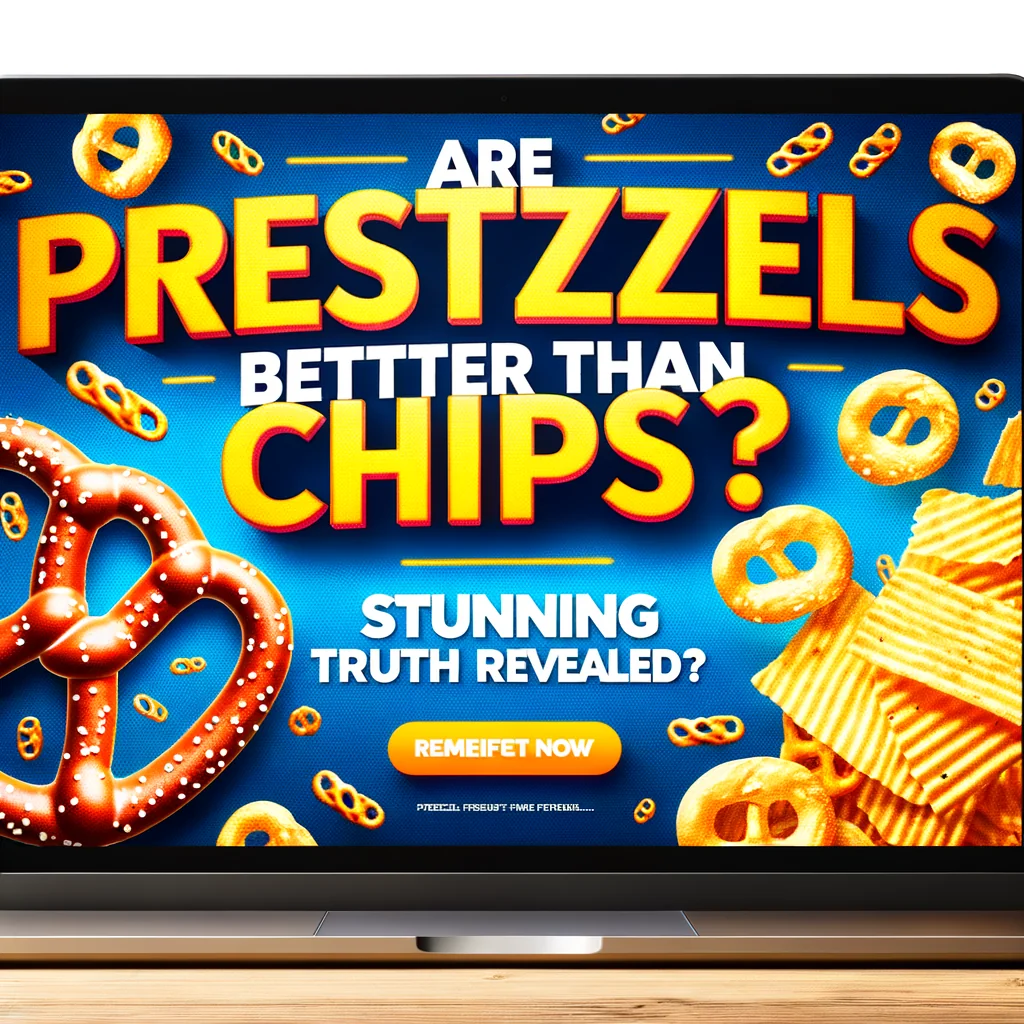
Are Pretzels Better Than Chips? Stunning Truth Revealed
Contents
Pretzels look like the “good” snack on the shelf. They seem lighter, cleaner, and less greasy than potato chips. Many people grab them without thinking, assuming they are the healthier choice by default.
The truth is more nuanced. Sometimes pretzels beat chips. Sometimes chips fit better. It depends on calories, fat, sodium, fiber, and how you actually eat them in daily life.
Quick Answer: Are Pretzels Healthier Than Chips?
In many cases, plain baked pretzels have fewer calories and less fat than regular potato chips. So on a simple calorie and fat comparison, pretzels often look better. Yet pretzels also tend to be high in refined flour and sodium, and they usually have very little fiber or protein, which can leave you hungry again soon.
Chips, especially fried ones, usually bring more fat and calories. But some chips offer more fiber (for example, certain whole-grain or lentil chips) and can be more filling than a handful of airy pretzels.
Nutrition Face-Off: Pretzels vs Chips
To see the real difference, it helps to compare a standard serving size of each snack. The figures below use typical salted pretzels and classic potato chips. Exact numbers differ by brand, but the trend is clear.
| Nutrient | Pretzels (plain salted) | Potato Chips (regular) |
|---|---|---|
| Calories | ~110 | ~150 |
| Total Fat | ~1 g | ~10 g |
| Saturated Fat | <0.5 g | ~3 g |
| Carbohydrates | ~23 g | ~15 g |
| Fiber | <1 g | ~1 g |
| Protein | ~2–3 g | ~2 g |
| Sodium | ~350–450 mg | ~150–200 mg |
The table shows the trade-off clearly. Pretzels usually cut fat and calories compared with classic chips, but they tend to have more sodium and are heavy in refined starch. Chips pack more fat and energy, yet sometimes have slightly more fiber and less salt per ounce.
Calories and Weight: Which Snack Fits a Diet Better?
Many people swap chips for pretzels during a weight loss phase, thinking the lower fat equals automatic progress. Calorie control matters more than any single nutrient though. A “healthier” snack can still stall progress if you eat twice as much.
Pretzels have fewer calories per ounce, but they are easy to overeat. They feel light and crisp, so the hand moves back into the bag again and again. Chips feel heavier and greasier, so some people stop sooner, even though each gram has more energy.
When Pretzels May Support Weight Goals
Pretzels can support weight management if they replace a higher calorie snack and the portion stays modest. They work best in controlled amounts, not as a “bottomless bowl” food on a long movie night.
- Measure one serving (about a small handful) instead of eating from the bag.
- Pair pretzels with protein, such as Greek yogurt or a slice of cheese.
- Drink water with them to slow down and support fullness.
This simple routine can stop a snack from quietly turning into a full extra meal in terms of calories, which is where many diets break down over time.
Salt, Blood Pressure, and Bloating
Sodium is a key part of the pretzel vs chip debate. Many standard pretzels carry a heavy salt load, sometimes double what the same weight of chips provides. Those crystals on the surface look small, yet they add up with every bite.
High sodium intake can raise blood pressure in many people, cause water retention, and leave you feeling puffy or swollen. Someone with hypertension or kidney problems usually needs to pay special attention here.
Who Should Be Careful With Pretzels?
Some people are more sensitive to salty snacks and benefit from stricter limits. If you fit one of these groups, read the sodium line on the label before you grab either snack.
- People with high blood pressure or heart disease.
- Anyone prone to water retention or swollen ankles.
- People advised by a doctor to keep sodium intake lower.
Low-sodium versions of both pretzels and chips exist, and they take some pressure off your daily salt budget. They still count as treats but are easier to fit into a balanced plan.
Carbs, Blood Sugar, and Energy Crash
Pretzels are mostly refined wheat flour and starch. They digest fast and send glucose into the blood quickly. For someone with insulin resistance or diabetes, a large portion of pretzels can trigger a sharp blood sugar spike.
Chips also contain carbs, but they have more fat, which can slow digestion slightly. The result is still a snack high in simple carbs with modest fiber. Neither option is ideal if blood sugar control is a main concern, yet pretzels often hit faster.
How to Make Either Snack Friendlier for Blood Sugar
You can blunt the impact of both pretzels and chips with a few simple steps. These habits help many people feel more stable and avoid a mid-afternoon energy crash.
- Eat them with a protein source, such as hummus, nuts, or cottage cheese.
- Add some raw vegetables on the side to bring in fiber.
- Keep portions small and avoid grazing from a family-size bag.
This shifts the snack from a quick sugar rush into something closer to a mini meal, which tends to keep hunger in check for longer stretches.
Pretzels vs Chips: Ingredient Quality
Beyond macros, ingredient quality matters. Scan the label on both products and you may see a long list of extras, or a short list that looks more like real food. That difference influences how often many nutrition-conscious people choose each snack.
Traditional pretzels use wheat flour, water, yeast, salt, and sometimes a bit of oil and sugar. Many commercial brands add preservatives and sweeteners. Chips base ingredients are potatoes or corn, oil, and salt, plus seasonings, flavor enhancers, and colorings in some cases.
What to Look For on the Label
A quick label scan can help you pick the least processed option in each category. This habit takes less than a minute once you get used to it, and it gives you more control over what you eat.
- Short ingredient list with words you recognize.
- Baked or air-popped instead of deep-fried.
- Whole grains or legumes listed early, not just refined flour or starch.
- Lower added sugar, even in savory snacks.
A plain baked pretzel with simple ingredients will usually beat a flavored chip loaded with additives. Yet a high-quality, kettle-cooked chip with clean ingredients may feel like a better choice than a heavily processed flavored pretzel stick. Context matters here.
Who Might Prefer Pretzels?
Some people genuinely do better with pretzels than chips, based on health goals, taste, or digestion. If you recognize yourself in these examples, pretzels could serve you well as an occasional snack.
Pretzels may suit you more if you want a lower fat snack, dislike greasy fingers, or place calorie control at the top of your priority list. They can fit well into a structured eating plan where you track portions and balance the rest of your day.
Best-Case Uses for Pretzels
In certain situations, pretzels can be a smart pick compared with standard chips. Small changes in context shift the overall impact of the snack.
- Post-workout snack: Paired with protein, pretzels can help refill glycogen with less fat.
- On-the-go option: They travel well, do not melt, and do not leave oil stains.
- Controlled treat: A 100-calorie pretzel pack offers crunch without much planning.
These cases show that the snack is not “good” or “bad” by itself. How you pair it and how much you eat change the outcome in a real way.
Who Might Do Better With Chips?
Surprisingly, some people manage appetite better with a small serving of chips than with a larger serving of pretzels. The extra fat increases satisfaction, which can reduce cravings later in the day.
For example, someone might feel fully content after a small bowl of chips eaten slowly with a sandwich. The same person might plow through twice as many calories in pretzels and still search the cupboard later because the snack did not feel satisfying.
Smarter Ways to Eat Chips
Chips can sit in a balanced diet as an occasional, thoughtful treat. A few habits help keep them from turning into a nightly binge or an automatic add-on to every meal.
- Buy smaller bags or portion them into containers in advance.
- Skip ultra-flavored varieties if they trigger mindless eating.
- Eat chips with a meal, not alone, so protein and fiber support fullness.
These small rules protect your average calorie intake over the week, which matters more for health and weight than any single snack choice on its own.
How to Choose Between Pretzels and Chips
Both snacks can fit in a sensible eating plan. The better choice depends on your personal targets and how you feel afterwards. A clear decision framework helps when you stand in front of the shelf and hesitate.
Use the simple steps below as a quick mental checklist. Over time, this process feels natural, and you will reach for snacks that match your goals almost on autopilot.
- Check your priority: Is your main goal lower calories, lower salt, more fullness, or simple enjoyment?
- Scan the label: Compare calories, fat, sodium, and fiber per serving, not per 100 g unless both match.
- Plan the pairing: Decide what protein or fiber you will eat with the snack.
- Set the portion: Pour a serving into a bowl and close the bag.
- Enjoy it mindfully: Sit down and eat slowly instead of snacking while scrolling or working.
This method turns the choice from a quick impulse into a clear decision that fits your health aims and your taste buds at the same time.
Are Pretzels Better Than Chips?
Pretzels are often better than regular chips for someone who needs to cut fat and calories and can manage sodium intake. Yet they are not a magic health food. They are a refined snack with high salt and low fiber that belongs in the “treat” category, just like chips.
The real win comes from how you structure your snacks. Choose higher quality versions, control portions, and pair them with protein and fiber. In that context, both pretzels and chips can fit in a balanced diet without guilt, and you can pick the one you enjoy more with a clear conscience.